How to use a financial calendar in trading
A financial calendar, also known as an economic calendar, is a trader’s best friend. It highlights major market-moving events such as interest rate decisions, employment data, and inflation reports. If you are trading forex or any other asset class, knowing when these events occur and how they could affect the market is essential for informed trading.
Let’s break down how to choose the right calendar, which indicators to follow, and how to use it to your advantage.
Step 1: Choose
a reliable financial calendar
Rather than tracking upcoming political or economic events manually, traders increasingly depend on regularly updated online financial calendars. These platforms consolidate crucial events, expected outcomes, and sometimes indicate each event’s potential market impact.
Tip:
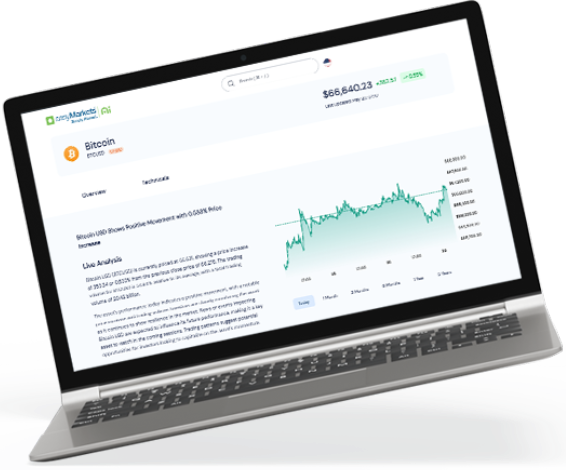
The easyMarkets financial calendar highlights upcoming events, forecasted figures, and market relevance, all in one place.
Choosing a calendar you’re comfortable with is key. Look for one that:

Offers real-time updates
Clearly explains the indicators
Lets you filter by country, asset class, or importance level
Step 2: Focus on the Right Indicators
Not every economic event is relevant to your trading strategy or the asset you are trading. Experienced traders often prioritize:
Interest Rate Decisions
Non-Farm Payrolls (NFP)
Consumer Price Index (CPI)
Purchasing Managers’ Index (PMI)
Gross Domestic Product (GDP)
The market usually anticipates these events based on forecasts. Traders act ahead of the release, trying to position themselves based on whether the actual data will beat or miss expectations. Great surprises, especially in major indicators like NFP, can trigger significant volatility.
Example:
If markets expect 130,000 new jobs in the NFP report, a much higher or lower actual figure can prompt a sharp move in the USD, even if the reported number is still technically positive overall.
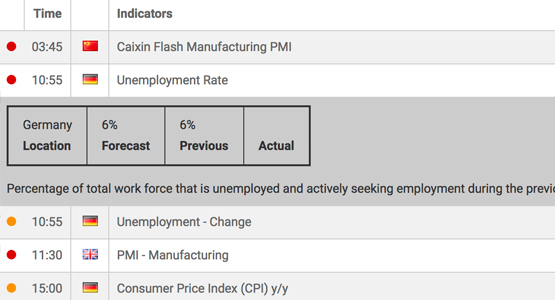
Step 3: Apply calendar data to your trading
When reviewing a financial calendar, ask yourself:
Which asset am I trading?
Which countries and currencies are involved?
Is this a short-term or long-term position?
Different indicators impact markets over different time frames. For example:
Intraday traders may focus on short-term sentiment drivers like PMI or weekly jobless claims.
Long-term traders may monitor broader trends such as central bank policy or GDP figures.
Also, be aware of indirect relationships. Even when not trading a particular currency, events affecting it could still influence your trades. For example, a major decision by the Bank of Canada could affect the USD through risk sentiment or commodity prices.
Keep the bigger picture in mind
An economic calendar is a powerful tool, but it’s not a crystal ball. Always consider the broader political and economic context. Unexpected geopolitical developments, central bank commentary, or shifts in global sentiment can amplify or override expected outcomes.
Ultimately, the goal isn’t just to react to news, but to anticipate possible scenarios and manage your risk accordingly.
Final thoughts
The financial calendar helps traders:
Stay ahead of key market events
Anticipate potential price movements
Manage risk with better timing
Even if you are not actively trading the event itself, being aware of when it is happening allows you to adjust your strategy or stay on the sidelines when volatility is high. Smart traders don’t just watch the calendar; they use it to plan and protect their trades.
A financial calendar, also known as an economic calendar, is a trader’s best friend. It highlights major market-moving events such as interest rate decisions, employment data, and inflation reports. If you are trading forex or any other asset class, knowing when these events occur and how they could affect the market is essential for informed trading.
Let’s break down how to choose the right calendar, which indicators to follow, and how to use it to your advantage.